
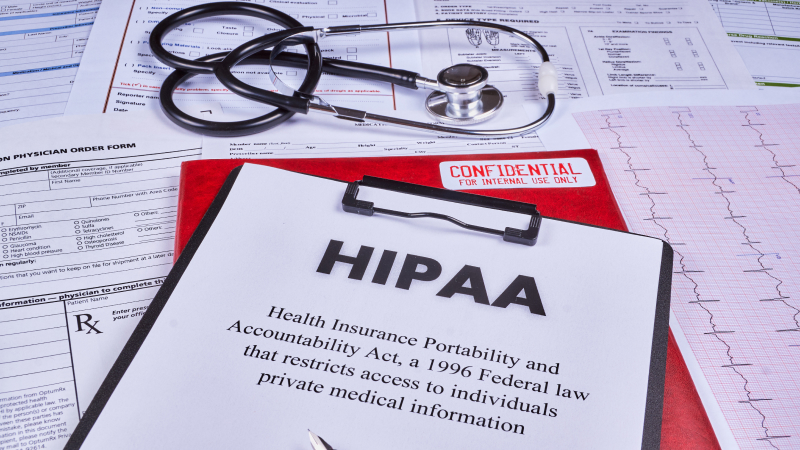
Executive protection specialists often focus on security threats, but due to the high profile of the clientele, privacy and confidentiality are critical concerns. When it comes to a client’s medical information, discretion is not just a good practice; it’s the law.
That is why HIPAA must be a key component of protection specialist training. Understanding HIPAA and how it applies to executive protection work helps you protect your client’s privacy while maintaining professionalism and legal compliance.
What is HIPAA?
The Health Insurance Portability and Accountability Act (HIPAA) is a US law designed to protect sensitive patient health information from unauthorized disclosure. HIPAA regulates how protected health information (PHI) is stored, shared, and accessed. PHI includes any identifiable health-related information, such as:
- Medical conditions
- Medications
- Treatment records
- Insurance details
- Emergency medical information
Executive protection specialists are not always classified as covered entities under HIPAA, but this does not mean they cannot be found liable for violations. Should you encounter a client’s confidential medical information while performing your duties, you will be expected to follow HIPAA guidelines. Failure to handle sensitive health information responsibly and discreetly can incur heavy penalties.
Penalties for violating HIPAA
HIPAA violations can carry severe consequences for organizations and individuals found responsible for mishandling PHI. Penalties may include, significant financial fines, civil lawsuits, reputational damage, employment termination, and criminal charges in severe cases.
Discretion is essential in executive protection. So, even if HIPAA does not directly apply to you in a particular case, improperly disclosing private medical information will irreparably damage your professional credibility.
Why do protection specialists need to know about HIPAA?
Protection specialists need a good understanding of HIPAA because medical information becomes part of operational planning or emergency response procedures more often than you might think.
Scenarios when HIPAA can become relevant are common
There are several situations where protected health information may arise during executive protection work. Common examples include:
- A client has a chronic medical condition requiring medication
- A client requires emergency medical planning during travel
- A protection agent must coordinate with healthcare providers
- Medical evacuation procedures are part of a security detail
- A medical emergency occurs during an assignment
Sometimes medical concerns are a known factor on an assignment, and other times, unplanned incidents make HIPAA relevant whether you want it to or not.
Protected health information has broad definitions
PHI includes all manner of medical information, not just what some people might consider embarrassing. If you learn that a client has severe allergies, diabetes, or a cardiac condition that could affect medical emergency response planning, these simple things are considered PHI and may be subject to HIPAA rules.
Even knowledge of who your client’s caregiver is and when they see them can be considered PHI. If a client’s physician communicates travel-related medical instructions to the protection team, HIPAA could be involved.
Modern technology, unfortunately, exacerbates this problem. Medical information stored on phones, tablets, or laptops is considered PHI and must be protected as well. If PHI is exposed because devices are lost, stolen, or compromised, your team may be found liable.
HIPAA best practices for executive protection specialists
You do not need to become a healthcare compliance officer to handle medical information responsibly. However, following a few best practices can greatly reduce privacy risks.
The best way to avoid mishandling PHI is to ensure that only the bare minimum number of personnel have access. If someone isn’t directly involved in medical planning or emergency response, they shouldn’t receive sensitive details.
If you or your team must handle PHI, ensure that you:
- Store medical information securely
- Avoid discussing client health in public settings
- Use encrypted communication whenever possible
- Dispose of sensitive documents properly
- Follow client confidentiality agreements carefully
If your assignment involves coordination with healthcare providers, clarify ahead of time, what information can be shared, who has access, and how it should be communicated. Strong communication discipline matters as well. Avoid unnecessary details in reports, emails, and radio traffic. Even small disclosures can create privacy concerns for high-profile clients, and compliance concerns for you and your team.
If you want to expand your knowledge on HIPAA and other topics relevant to protection specialists, contact Aspis Training Center. Our courses enable you to grow your protection skills so you can demonstrate your commitment to discretion and make yourself a more attractive candidate to potential clients.