
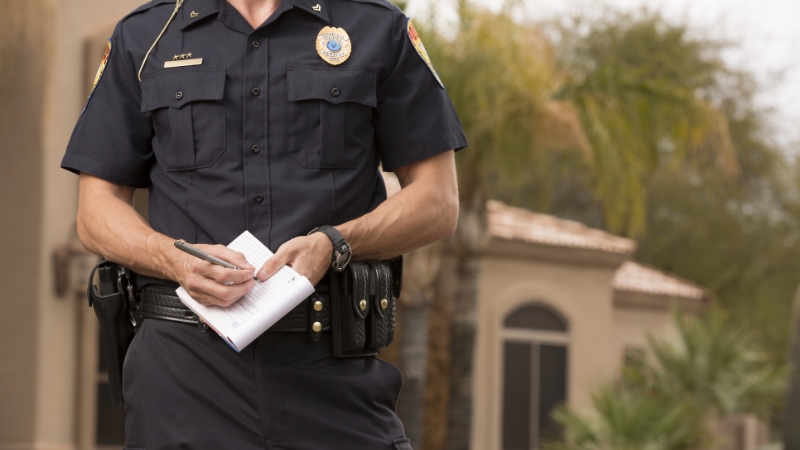
Strong observation skills are vital for security professionals, but if you can’t clearly communicate what you observed or what happened, you cannot be effective. Well-written security reports help your organization understand incidents, support investigations, and maintain accurate records, and they help clients determine if you are doing a good job. Developing strong security report writing skills can also make you a more effective and marketable security professional.
Why is it important to write good security reports?
A security report is not only the cornerstone of an investigation, but it’s also a shield for you as a security professional. If your report is unclear, incomplete, or inaccurate, important information can be difficult to understand or even misconstrued later, casting doubt over your observations and possibly your security skills.
Good security reports should help readers quickly answer questions such as:
- What happened?
- When and where did it happen?
- Who was involved or present?
- What actions did you take?
If the reader can’t easily glean this information from your report, a clear picture of the incident cannot be created, potentially leading to a failed investigation and very unhappy clients.
Clear documentation also demonstrates your personal professionalism, even with minor incidents. When you consistently produce accurate, organized reports, you show that you can handle information responsibly, communicate important details under pressure, and be trusted to fulfill your duties.
Key report writing skills to make you a more effective security professional
As basic as these might sound, it’s important not to ignore these vital skills if you want to be a successful and more employable security professional.
Observation and attention to detail
You can be the best writer on the team, but if you aren’t paying close attention, you won’t have anything to write about. Recognizing and remembering as many details as possible helps with reports, because you never know what may become important later.
Always take note of a critical information such as:
- Times
- Locations and relevant positions
- Descriptions of identifying details
- Actions large and small
- Extenuating circumstances
- Changes in the environment.
Strong observation skills give you more reliable information to work with when you write your report and make you more trustworthy in the eyes of clients and superiors.
Accuracy and objectivity
Your reports must always distinguish between what you observed and what you assume happened. This means avoiding exaggeration, speculation, or personal opinions at all costs.
For example, instead of writing that someone was “acting suspiciously,” describe the specific behaviour you observed. Objective reporting gives the reader facts that they can evaluate for themselves, and prevents biases from casting doubt on your testimony.
Professional grammar and spelling
Don’t underestimate how bad poor grammar and spelling mistakes can make you look. They make reports harder to understand and will negatively impact your image as a professional.
You don’t have to write a novel; basic grammar, punctuation, spelling, and sentence structure are more than enough. Always review your report before submitting it, and there are many online tools that can help you double-check your work.
Interviewing and information-gathering skills
You may need information from witnesses, employees, clients, or other security personnel when documenting an incident. Knowing how to ask clear questions and accurately record responses can strengthen your reports.
For example, when documenting information provided by another person, make it clear that it came from that individual rather than presenting it as something you personally observed.
Consistency and completeness
The best reports contain all relevant information without leaving obvious gaps. Developing a consistent reporting process can help you avoid overlooking important details.
Before submitting a report, check that you have included the essential facts, identified the relevant people or locations where appropriate, documented your actions, and clearly described the outcome. Make a checklist and run through it for every report so that superiors can trust you to be consistent and reliable
Contact Aspis Training Center today to learn how to develop the observational and situational awareness needed to not only create accurate and comprehensive reports, but also to keep yourself and others safe in any situation.