
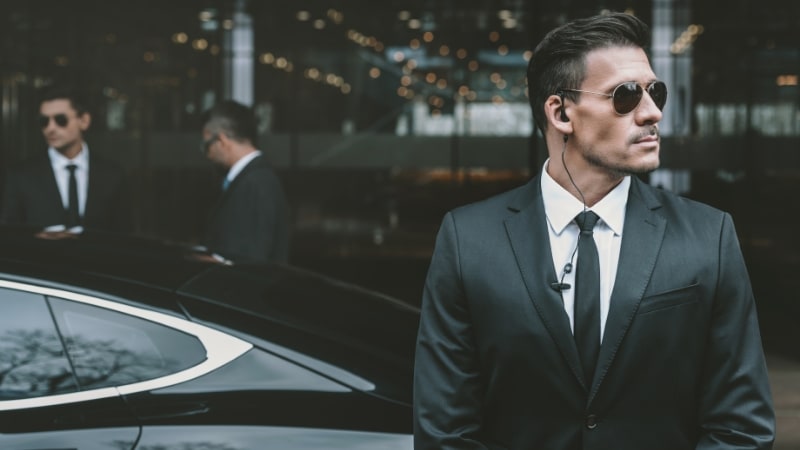
When you’re responsible for another person’s safety, preparation is everything. Every executive protection professional knows that the smallest oversight can have serious consequences in the field. Before heading out, a detailed gear checklist is your first line of defense. Having the right tools at hand not only improves your effectiveness but also gives your client confidence that their safety is in capable hands.
Below are some of the essential items every executive protection specialist should have for their next assignment.
First aid kit and emergency medical equipment
Having a well-stocked first aid kit that is customized to the client’s specific needs is vital. If a client has pre-existing medical conditions, such as allergies, heart issues, or diabetes, you should carry the appropriate medications or devices alongside bandages, tourniquets, and antiseptics. These items will help you keep the individual stable until emergency medical services arrive and administer appropriate treatment.
More importantly, you should know how to use these medical supplies and equipment. Basic first aid and CPR certifications are a must, but it’s also helpful to have more advanced training in trauma care and automated external defibrillators.
Mission-appropriate weapons
Every assignment carries its own set of risks, and your choice of defensive weapons should reflect that reality. Most executive protection assignments will require concealed pistols for close protection, but they may also include less-lethal alternatives such as tasers or batons for crowd control or low-threat environments.
Certain conditions in high-risk zones may require rifles for long-range cover and neutralization of threats before they get too close to the VIP. They also serve as visual deterrents to potential threats. The key is discretion and adaptability, always selecting weapons that match both the threat level and local regulations.
Protective gear
Bulletproof vests provide critical protection against firearms and are available in different levels tailored to the anticipated threat level of a mission. Lightweight vests are ideal for close protection in urban or social settings where quick movement is imperative, while heavier tactical vests might be necessary in more hostile or unpredictable environments. The best protective gear balances safety with comfort and mobility, allowing you to respond swiftly without drawing unnecessary attention.
Multi-tool
Whether you need to cut restraints, quickly adjust your gear, or fix a malfunctioning weapon, a compact and versatile multi-tool is vital for any situation where improvisation might be required. Look for a multi-tool with a good-sized blade, and make sure that it is durable and ergonomic for easy use. It should also include all the essential tools such as pliers, screwdrivers, and a knife.
Restraining tools
Zip ties and handcuffs allow execution protection specialists to safely immobilize aggressors or disruptive individuals until authorities arrive. These tools are lightweight and easy to stash and can serve multiple purposes. Make sure to practice using these tools regularly so you can efficiently and quickly restrain someone if necessary.
Flashlights
A high-lumen flashlight isn’t just for navigating dark areas, it’s also a signaling and defensive tool. Blinding light can temporarily disorient a threat, creating a critical window for action or retreat.
For low-profile operations, a compact flashlight with adjustable brightness levels is ideal, while larger tactical lights may be suited for night patrols or outdoor assignments. Choose models that are waterproof, impact-resistant, and rechargeable for maximum reliability.
Field-approved devices
Work-safe electronics such as secure smartphones, smartwatches, and encrypted communication devices enable you to maintain constant awareness and contact with your team. These tools provide access to navigation systems, real-time updates, and emergency alerts, helping you make quick, informed decisions in the field.
A smartwatch with discreet notification settings can be particularly valuable for silent communication in high-profile or covert scenarios, while a phone with encrypted messaging ensures that sensitive information stays protected.
In remote or high-risk areas, having alternative communication tools such as radios or satellite phones can be a lifesaver when traditional networks fail. Regardless of the device you bring to the field, make sure to thoroughly test, charge, and secure it before deployment.
Appropriate attire
Your appearance should match the environment while allowing freedom of movement and access to essential gear. For formal or public events, a well-fitted suit with concealed carry and light armor accommodations maintains professionalism while keeping you prepared.
Covert operations, on the other hand, may call for plain clothes that blend seamlessly into the surroundings. Every outfit should balance discretion, comfort, and functionality.Knowing what to bring and how to use it effectively sets you up for success. If you’re ready to refine your tactical readiness and elevate your career, contact Aspis Training Center today. Our advanced programs equip you with the skills, discipline, and confidence to operate safely and professionally in any environment.